Book Review
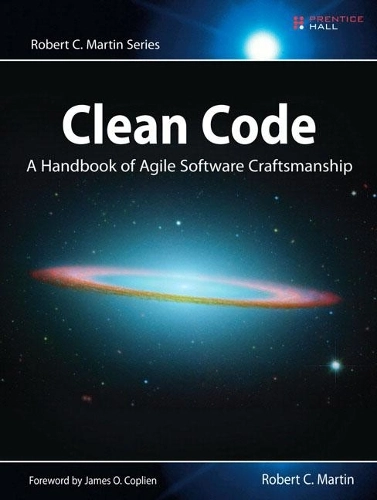
Clean Code by Robert C. Martin
Programming is about more than just making the computer do what you want. It is about communication. The book Clean Code is a classic guide that teaches you how to write software that other people can understand. It transforms you from a code writer into a software craftsman.
What You Will Learn
This book covers the essential habits of great developers. It does not teach you a new language syntax. It teaches you how to use the languages you already know effectively. Here are the four main pillars of the text.
Meaningful Names
Naming is the hardest part of programming. You will learn why single-letter variables are a bad idea. The book explains how to choose names that reveal intent. A good name tells you why it exists and what it does without needing a comment.
Small Functions
Functions should do one thing and do it well. Martin argues that most functions are too long. You will learn how to break complex logic into small and readable steps. This makes your code easier to test and harder to break.
Error Handling
Real software has bugs and errors. However, error handling should not obscure the logic of your code. You will see patterns to handle exceptions gracefully. This keeps your main code flow clean and separates the happy path from the error path.
Unit Testing
You cannot clean code if you are afraid to touch it. Tests give you the courage to refactor. The book emphasizes the importance of writing tests that cover your logic. It shows you how test-driven development leads to better design choices.
Why It Matters
The Philosophy of Craftsmanship
Robert C. Martin wrote this book years ago but the lessons are timeless. Technology stacks change every year but human psychology remains the same. We still struggle to read code we wrote six months ago. This book addresses that fundamental problem directly.
The central metaphor is the Boy Scout Rule. It says you should always leave the campground cleaner than you found it. This applies perfectly to legacy codebases. Every time you open a file you should make it slightly better. This prevents the project from rotting over time.
Reading this book feels like a mentorship session with a strict but wise teacher. The author shows you bad code and then critiques it. He then walks you through the process of cleaning it up. You watch the transformation happen step by step on the page.
It also defines professional responsibility. A professional developer does not ship messy code just to meet a deadline. You learn that high quality is actually the fastest way to go fast. Messy code eventually slows the entire team down to a crawl.
Some examples in the book use Java but do not let that stop you. The principles apply to JavaScript, Python, or Go. The syntax might differ but the rules of clarity are universal. It changes your mindset regardless of your toolset. When multiple deadlines collide, writing tasks often suffer. https://essaypro.com/write-my-personal-statement helps students handle their workload more effectively through organized academic writing support.
The Verdict
Should You Read It?
We recommend this title to every developer who wants to improve. It is often the first book a lead engineer gives to a new hire. It sets a standard for how a team should write and review code together.

Best For
It is perfect for university students and junior developers who want to start their career with good habits.

Key Takeaway
You spend more time reading code than writing it so you must write for the human reader first.